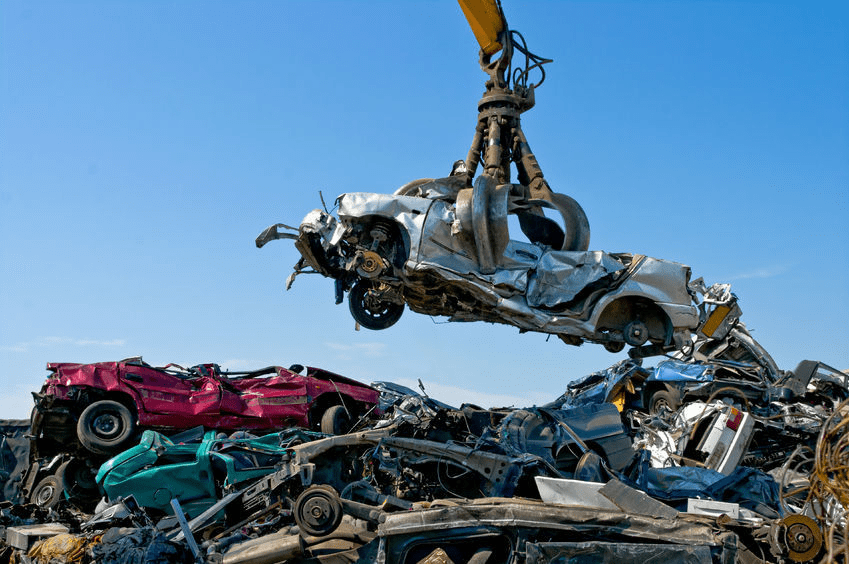

The scrap car process begins on a humid Tuesday morning as Lim Kok Wah, 62, hands over the keys to his silver sedan, a vehicle that has carried his family for nearly a decade. His face betrays conflicting emotions—relief at unburdening himself of the mounting repair costs, sadness at relinquishing what has become an extension of his family’s identity. “My daughter learned to drive in this car,” he says, running his hand along the door one final time. “My grandson came home from the hospital in it.” The moment captures the peculiar relationship Singaporeans have with their vehicles—simultaneously pragmatic and deeply personal.
The Bureaucratic Prelude
Before a vehicle reaches its final destination, it must first navigate Singapore’s meticulous regulatory framework. For Lim, this meant weeks of preparation:
- Settling outstanding road tax payments and traffic fines
- Cancelling his vehicle insurance policy
- Gathering original vehicle registration documents
- Arranging for de-registration with the Land Transport Authority (LTA)
- Calculating potential PARF (Preferential Additional Registration Fee) rebates
“The Singaporean system reflects our national character,” explains Dr. Teo Ming, transportation policy researcher at Nanyang Technological University. “It is orderly, thorough, and leaves nothing to chance. Other countries may have simpler processes, but few can match our efficiency in managing the vehicle lifecycle from registration to disposal.”
The paperwork itself tells a story—each form representing a thread in the regulatory fabric that maintains Singapore’s reputation for order amidst the constraints of limited space and resources.
The Economics of Letting Go
For most Singaporeans, vehicles represent the second-largest purchase they will ever make, after housing. The decision to scrap rarely comes lightly.
Three kilometres from where Lim surrendered his keys, Madam Chen Lihua sits at her kitchen table surrounded by calculations. At 71, the retired teacher has spent weeks deliberating whether to renew her Certificate of Entitlement (COE) or scrap her ageing hatchback.
“The mathematics is simple, but the decision is not,” she says, adjusting her reading glasses as she reviews the figures. “The renewal would cost more than what I paid for the car originally. Yet how do I measure the value of my independence?”
The financial considerations are substantial:
- COE renewal costs often exceed S$50,000 depending on vehicle category
- Maintenance expenses increase exponentially after seven years
- PARF rebates decrease significantly with vehicle age
- De-registration rebates depend on the remaining validity of the COE
- Scrap metal value typically represents only a tiny fraction of the overall compensation
“What makes Singapore unique is that vehicle disposal is not merely a personal choice but often a financial necessity engineered through policy,” observes economist Sarah Tan. “The system creates an artificial end-of-life that might arrive long before the vehicle’s mechanical viability expires.”
The Dismantling Ballet
At the processing facility in Jurong, vehicles enter a precisely choreographed dismantling process. Raj Kumar, 43, has worked here for fifteen years. His hands move with practiced efficiency as he drains fluids from Lim’s former vehicle.
“Each car is different, but the process is always the same,” he explains while methodically removing potentially hazardous materials. “First the battery, then the oils, then refrigerants. Everything must be handled properly.”
The dismantling follows a strict protocol:
- Removal and proper disposal of hazardous fluids and materials
- Recovery of valuable components like catalytic converters
- Extraction of reusable parts for the second-hand market
- Separation of different metals for recycling
- Crushing and shredding of the vehicle shell
What strikes observers is the precision. Nothing is rushed; nothing is wasted. “In my home country, cars are abandoned or burned,” says Raj. “Here, we recover nearly everything.”
The Environmental Calculation
Beyond the facility’s walls, environmental engineer Dr. Lian Wei Quan monitors the broader ecological impact of Singapore’s vehicle disposal system.
“The environmental footprint of a vehicle extends far beyond its operational emissions,” she explains from her laboratory at Singapore’s Environmental Research Institute. “The true calculation must include manufacturing, maintenance, and end-of-life processing.”
The Singaporean approach creates a fascinating environmental contradiction:
- Mandatory scrapping prevents older, more polluting vehicles from remaining on roads
- Comprehensive recycling recovers up to 95% of vehicle materials
- Yet artificial lifespan limitations increase manufacturing demand
- The environmental cost of building a new car equals approximately eight years of driving emissions
“What we have created is a system that optimises local environmental metrics while potentially displacing environmental costs elsewhere in the global supply chain,” Dr. Lian acknowledges. “The question becomes whether we are truly reducing ecological impact or simply relocating it.”
The Emotional Aftermath
Two months after surrendering his car, Lim sits at a void deck near his Tampines flat, watching traffic pass. His transportation habits have changed—more bus journeys, occasional taxis, shared rides with neighbours.
“I find myself looking for my car in the car park sometimes,” he says with a small laugh. “Ten years of habit doesn’t disappear overnight.”
For Lim and thousands of Singaporeans who surrender vehicles each year, adaptation continues long after the paperwork is complete. New routines form. New calculations emerge about the value of time versus money. New relationships develop with public transportation networks.
“What fascinates me is how quickly people adjust,” says sociologist Dr. Kamala Devi. “The narrative we tell ourselves shifts from ownership to access, from possession to mobility. It reflects Singapore’s perpetual adaptation to constraints.”
Conclusion
As dusk falls over the processing yard, the outline of what was once Lim’s family car is barely recognisable. Tomorrow, its components will enter global recycling streams—the aluminium perhaps returning as a new vehicle panel, the precious metals in the catalytic converter purified for industrial applications, the plastics transformed into new products. The transformation represents Singapore’s pragmatic approach to resource management—methodical, efficient, and ultimately unsentimental. For those navigating this transition, understanding both the bureaucratic requirements and emotional dimensions provides essential preparation for the scrap car process.
 Auto Pulse Car Blog
Leave a comment