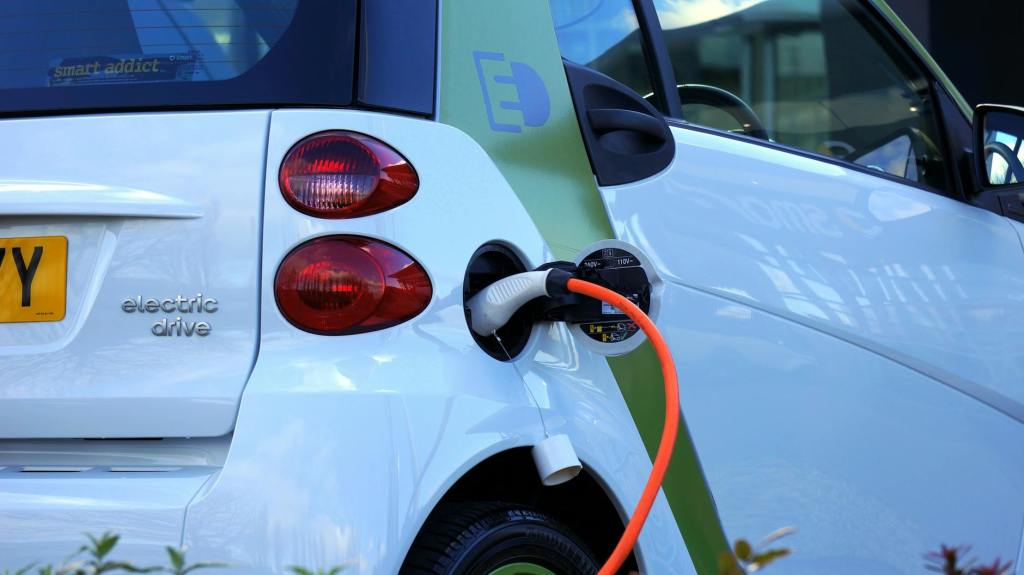

The automotive industry is on the brink of a major transformation as electric vehicles (EVs) continue to gain popularity around the world. What started as a niche market has rapidly evolved into a global movement toward greener, more sustainable transportation. With major automakers announcing ambitious plans for their EV lineups, it’s clear that the future of the automotive industry will be electric. But what can we expect in the next decade? In this post, we’ll explore the trends and advancements shaping the future of electric vehicles.
1. Longer Battery Life and Faster Charging
One of the biggest concerns among potential EV buyers is range anxiety – the fear that their vehicle will run out of power before reaching a charging station. However, advances in battery technology are set to address this issue. New developments in solid-state batteries promise to increase energy density, allowing electric vehicles to travel further on a single charge.
In addition, ultra-fast charging networks are expanding globally, reducing charging times to just minutes. Companies like Tesla, Ionity, and Electrify America are leading the way in building a more robust infrastructure, making it easier for drivers to recharge their vehicles on long trips.
What to Expect: By 2030, we can anticipate EVs with a range exceeding 400 miles and widespread access to chargers that can recharge your vehicle in under 20 minutes.
2. Affordable Electric Vehicles for the Mass Market
In the early days, electric vehicles were often associated with luxury brands and high price tags, making them less accessible to the average consumer. However, as battery costs continue to drop, automakers are working hard to make EVs more affordable.
Brands like Tesla, Nissan, and Chevrolet have already introduced models like the Model 3, Leaf, and Bolt that cater to budget-conscious buyers. As more automakers join the EV race, increased competition is likely to drive prices down even further.
What to Expect: By the mid-2020s, we should see a greater selection of affordable EV models with competitive pricing, making them a viable option for a larger segment of the population.
3. Autonomous Driving and EV Integration
Autonomous driving technology has been advancing rapidly, and electric vehicles are expected to be at the forefront of this revolution. Companies like Tesla, Waymo, and Cruise are already testing self-driving capabilities that will eventually allow vehicles to operate without human intervention. The combination of EVs and autonomous driving technology is poised to redefine the way we think about transportation.
Imagine hailing an autonomous electric car via an app, with no need for a driver, and having it whisk you to your destination. Autonomous electric taxis could dramatically reduce transportation costs and improve efficiency, particularly in urban areas.
What to Expect: By 2030, fully autonomous electric vehicles may be a common sight on city streets, offering convenient, low-cost, and sustainable transportation options.
4. Expansion of Charging Infrastructure
As EV adoption grows, so does the demand for charging stations. Governments and private companies are investing heavily in expanding charging networks across highways, urban centers, and even remote areas. Innovative solutions like wireless charging pads and solar-powered stations are also being developed to provide more convenient charging options.
In addition to public charging stations, home charging technology is improving, with more efficient chargers allowing homeowners to recharge their vehicles overnight with minimal impact on their electricity bills.
What to Expect: By the end of the decade, charging stations will be as common as gas stations, and advancements in wireless and solar charging will make EV ownership even more convenient.
5. Environmental Impact and Renewable Energy
One of the main advantages of electric vehicles is their potential to reduce greenhouse gas emissions. However, the environmental impact of EVs is closely tied to how the electricity used to charge them is generated. As more countries transition to renewable energy sources like solar, wind, and hydropower, the environmental benefits of EVs will become even more pronounced.
The shift toward renewable energy will not only reduce the carbon footprint of electric vehicles but also lower the overall costs of charging as clean energy becomes more widely available.
What to Expect: By 2030, many countries will have cleaner energy grids, further enhancing the environmental benefits of EVs and promoting widespread adoption.
Final Thoughts
The next decade will be a pivotal time for the electric vehicle industry. As technology advances and costs continue to fall, EVs will become more accessible, practical, and environmentally friendly. With improvements in battery life, autonomous driving, and charging infrastructure, the future of transportation looks electrifying. Whether you’re an early adopter or still considering making the switch, the time to explore electric vehicles has never been better.
 Auto Pulse Car Blog
Leave a comment