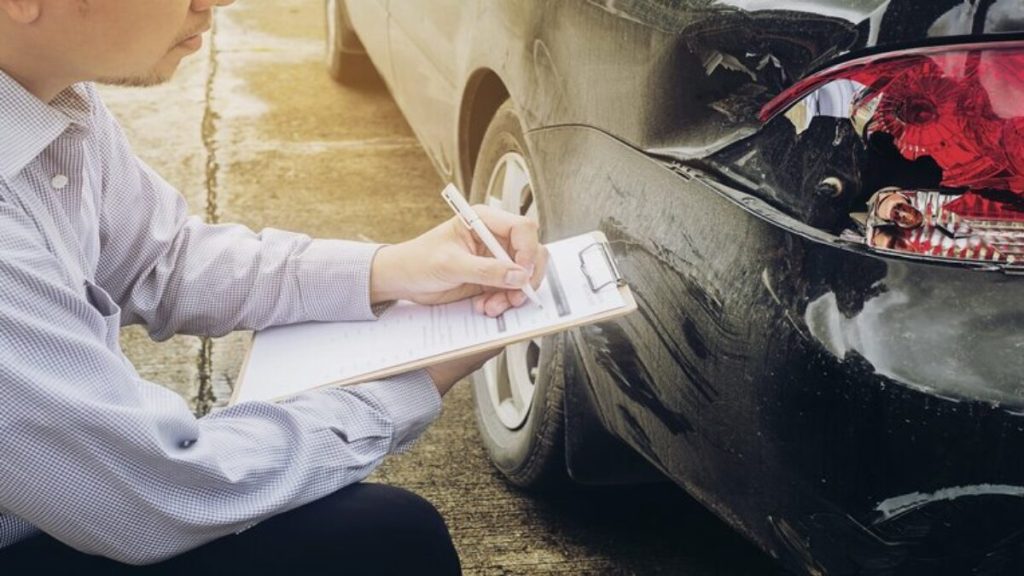

Buying a used car can be a good way to save money, but it’s important to know if the car has been in an accident before. In the UK, there are several ways to find out if a vehicle has a history of accidents. This guide will help you understand the different methods available to check a car’s accident history, from online tools to manual inspections.
Key Takeaways
- Knowing a car’s accident history can help you make a safer purchase.
- Online databases offer both free and paid options to check for past accidents.
- Manual inspections can reveal signs of previous damage that online checks might miss.
- Sellers have legal obligations to disclose a car’s accident history, but it’s best to verify it yourself.
- Free accident checks can have limitations, and sometimes paid services are more reliable.
Understanding Accident History Terminology
When buying a car, it’s important to know if it has been in an accident before. This can help you avoid future problems. If you don’t know the car’s past, driving it can be risky.
What Constitutes an Accident
An accident means the car has been damaged in some way. Sadly, it’s not always possible to be 100% sure if a car has been in an accident. Many drivers don’t tell their insurance companies about minor accidents. If there’s no insurance record, it depends on how well the repairs were done.
Categories of Write-Offs
When a car is damaged, insurance companies put it into different categories based on the damage. Here are the main categories:
- Category A: Scrap only. The car is too damaged to be fixed.
- Category B: Break for parts. The car can’t be driven again but parts can be used.
- Category S: Structurally damaged but repairable. The car can be fixed and driven again.
- Category N: Not structurally damaged but repairable. The car has non-structural issues that can be fixed.
Check vehicle details online to see its history and any recorded accidents. Websites like the DVLA or private services can provide detailed reports. Always cross-reference information for accuracy.
Insurance Implications
If a car has been in an accident, it can affect your insurance. Some insurance companies might not cover a car that has been in a serious accident. Also, the cost of insurance might be higher. It’s important to check the car’s accident history before buying it.
Using Online Databases for Accident Checks
Free Online Tools
There are several free online tools available to check if a car has been in an accident. By entering a car’s registration number into a reliable service, you can access detailed records about past accidents, repairs, and maintenance. These tools are highly effective in revealing a car’s accident history.
Paid Services
For more comprehensive information, you might consider using paid services. These services often provide more detailed reports, including data sourced from insurance companies, repair shops, and law enforcement. Services like My Car Check or AA Car Check can offer such detailed information using the car’s registration number.
Interpreting the Results
When you receive the results, it’s important to understand what they mean. Look for any records of past accidents, repairs, and maintenance. This information can help you make an informed decision about the car’s condition and its potential future performance.
To check your claim history on CUE, visit the Motor Insurers’ Bureau (MIB) website and complete a subject access request form. Note that it may take up to a month to receive the information.
Manual Inspection Techniques
Checking the Exterior
When examining a car’s exterior, start by looking for inconsistencies in paint colour and gaps between body panels. These can be signs of previous repairs. Also, check for any signs of welding or new parts that don’t match the rest of the vehicle. This is the first step to determine if the car has been in an accident.
Inspecting the Interior
Inside the car, look for unusual wear and tear that doesn’t match the car’s age or mileage. Check the dashboard for any warning lights that might indicate underlying issues. Also, inspect the seatbelts and airbags to ensure they are in good condition and haven’t been replaced.
Examining the Underbody
The underbody of the car can reveal a lot about its history. Look for rust, dents, or any signs of structural damage. Pay special attention to the frame and chassis, as damage here can be a clear indicator of a past accident. If you notice anything unusual, it might be worth getting a professional to take a closer look.
A thorough manual inspection can uncover many signs of previous accidents, but it may not reveal everything. For a more comprehensive history, consider using online databases or professional services.
Legal Obligations of Sellers
Dealers have strict rules to follow when selling cars. They must provide accurate information about the vehicle, including its condition, mileage, service history, and any known defects. If a car has been in an accident, the dealer is legally required to inform the buyer. This is part of the Consumer Protection laws that prevent unfair trade practises.
Private sellers have more freedom compared to dealers. They might not know every detail about the car, and they can use this as a defence if a problem arises. However, if they are aware of any damage or issues, they should inform the buyer. Proof like repair receipts can show that the seller knew about the damage.
As a buyer, you have rights too. If a seller, whether a dealer or a private individual, fails to disclose important information about the car, you can take legal action. You are protected under laws that ensure sellers provide accurate details about the vehicle they are selling.
Additional Checks for Comprehensive History
MOT History
Checking a car’s MOT history is crucial. It provides details about past tests, including any issues found. 1 in 3 cars had issues at their last MOT, so it’s important to review this information. You can find out if the car has passed or failed, and what repairs were needed.
Outstanding Finance
Ensure the car you’re buying doesn’t have any outstanding finance. If there’s still money owed on the car, the finance company could reclaim it, leaving you without a car. Always check this to avoid any surprises.
Stolen Vehicle Status
It’s essential to check if the car has been reported as stolen. This can save you from legal trouble and losing the car. A free car history check can reveal if the vehicle has been flagged as stolen.
Before buying a used car, make sure to check its full history. This includes MOT history, outstanding finance, and stolen vehicle status. These checks can help you avoid future problems and ensure you’re making a safe purchase.
Limitations of Free Accident Checks
Accuracy Concerns
Free accident checks can sometimes be inaccurate. They might miss some details about a car’s history. This is because they often rely on limited data sources. If you need a more reliable check, you might have to pay for it.
Data Limitations
Free tools usually provide basic information. They might not show all past accidents or damage. This can make it hard to know the full history of a car. For a complete picture, consider using a paid service.
When to Opt for Paid Services
If you want to be sure about a car’s history, it’s best to use a paid service. These services often offer more detailed reports. They can give you peace of mind before you buy a car.
While free checks are helpful, they are not foolproof. For the most comprehensive information, a paid service is often the best choice.
Conclusion
Checking if a car has been in an accident in the UK is crucial for making an informed purchase. By using online databases, free car check tools, and conducting thorough physical inspections, you can uncover important details about a vehicle’s history. Remember, while some methods are free, they might not always be completely accurate. For the most reliable information, consider investing in a comprehensive car history report. Taking these steps will help you avoid potential pitfalls and ensure you buy a safe and reliable vehicle.
Frequently Asked Questions
How can I check if a car has been in an accident for free?
You can use free online tools to check if a car has been in an accident. All you need is the car’s registration number. Some services offer basic information at no cost.
What should I look for in a manual inspection to see if a car has been in an accident?
During a manual inspection, check the exterior for uneven paint, dents, or mismatched panels. Inside, look for signs of airbag deployment or unusual wear. Don’t forget to inspect the underbody for rust or damage.
Are free accident checks accurate?
Free accident checks can provide useful information, but they may not be completely accurate. For more detailed and reliable results, consider using paid services.
What are the legal obligations of car dealers when selling a vehicle?
Car dealers are required by law to disclose any known accident history of the vehicle. They must provide accurate information to the buyer.
Do private sellers have to tell if a car has been in an accident?
Private sellers are not legally required to disclose accident history. It’s important to do your own checks and ask for any available documentation.
What additional checks can I do for a car’s history?
You can check the car’s MOT history, see if there is any outstanding finance, and verify if the car has been reported as stolen. These checks provide a more comprehensive view of the vehicle’s history.
 Auto Pulse Car Blog
Leave a comment